
Recovery After Abortion in Durban: Aftercare, Symptoms & Support
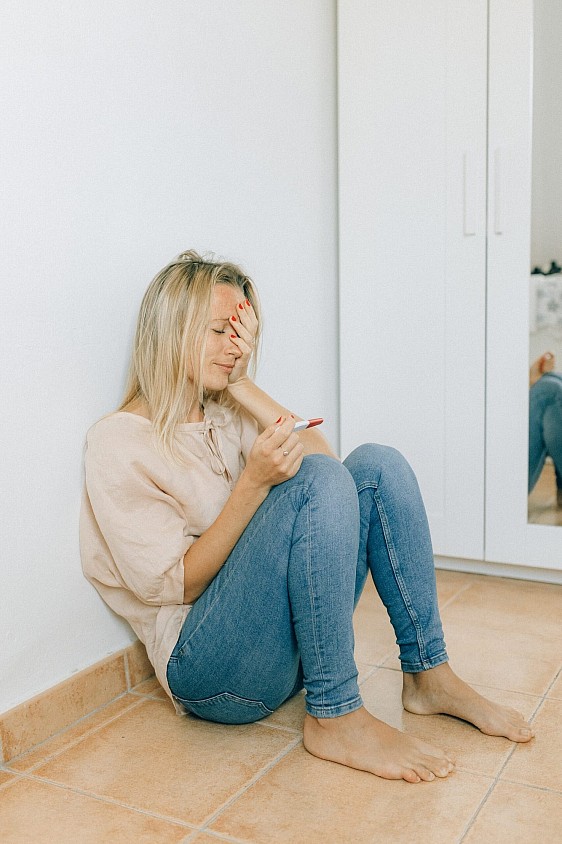
Recovery after an abortion involves physical and emotional changes, and every person's experience is different. At Ladies Choice Clinic in Durban, we provide confidential aftercare information covering common symptoms, self-care, emotional wellbeing, and when to seek medical attention. Call or WhatsApp 078 888 9085 for confidential enquiries.
1. Understanding Physical Recovery After Abortion
Physical recovery varies depending on the type of treatment, individual health circumstances and pregnancy duration.
Some symptoms that may occur after abortion treatment include:
-
Vaginal bleeding or spotting
-
Abdominal cramping
-
Tiredness or fatigue
-
Nausea
-
Breast tenderness
Bleeding and cramping may vary in intensity and duration. Some patients experience bleeding similar to a menstrual period, while others may experience heavier bleeding initially followed by lighter bleeding or spotting.
Your healthcare professional should explain what is expected after your particular treatment and when follow-up assessment may be needed.
2. Self-Care During Recovery
Giving yourself time to rest and recover can help you feel more comfortable after treatment.
The following general measures may help:
-
Rest when you feel tired and gradually return to your usual activities.
-
Drink enough water and eat regular, nutritious meals.
-
Use a warm heating pad or hot-water bottle for cramping if comfortable.
-
Wear comfortable clothing.
-
Follow the medication and pain-management instructions provided by your healthcare professional.
-
Follow your provider's advice about exercise, swimming, sexual activity and the use of tampons or menstrual products.
There is no single recovery schedule that applies to everyone. Follow the aftercare instructions given to you by your healthcare professional.
3. Warning Signs: When to Seek Medical Attention
Although some bleeding and cramping can be expected after abortion treatment, certain symptoms need prompt medical assessment.
Seek urgent medical attention if you experience:
-
Very heavy bleeding, such as soaking two large sanitary pads per hour for two consecutive hours.
-
Severe abdominal or pelvic pain, particularly if it is worsening or not improving with recommended pain relief.
-
Fever of 38°C or higher, especially if it persists or begins more than 24 hours after treatment.
-
Foul-smelling vaginal discharge.
-
Severe dizziness, fainting or feeling extremely weak.
-
Persistent or worsening symptoms that concern you.
Do not wait for a clinic callback if you have severe symptoms. Go to the nearest emergency department or contact an appropriate emergency medical service.
If you are uncertain whether a symptom is normal, contact a qualified healthcare professional for advice.
4. Emotional Wellbeing After Abortion
Recovery can involve emotional as well as physical changes. People may experience different feelings, including relief, sadness, anxiety, uncertainty or a mixture of emotions.
There is no single correct way to feel after an abortion.
Some people find it helpful to:
-
Give themselves time and space to process their experience.
-
Speak with someone they trust, if they feel comfortable doing so.
-
Seek professional emotional support if difficult feelings persist or become overwhelming.
-
Contact a healthcare professional if emotional distress affects daily life or wellbeing.
If you feel persistently anxious, depressed or unable to cope, consider seeking support from a qualified mental health professional.
5. Returning to Work and Daily Activities
Many patients gradually return to their usual activities within a few days, depending on their recovery and the type of treatment received.
Consider the following:
-
Rest when you need to.
-
Return to work and everyday activities at a pace that feels manageable.
-
Avoid strenuous activities if they increase discomfort or bleeding.
-
Follow any specific restrictions or instructions provided by your healthcare professional.
When can I return to work?
This depends on your physical recovery, the type of treatment and the nature of your work. Some people return within a few days, while others may need more time. Ask your healthcare professional for advice based on your circumstances.
6. Sexual Health and Contraception After Abortion
Fertility can return soon after an abortion, sometimes before the next menstrual period. This means pregnancy may occur again if you have unprotected sex.
If you do not wish to become pregnant, you can discuss contraception options with a healthcare professional. They can explain the available methods and help you consider which option may suit your needs.
For more information, visit our Family Planning Services page.
7. Travel During Recovery
Travel plans should take your recovery, treatment type and access to medical care into account.
If you need to travel after treatment:
-
Follow the travel advice provided by your healthcare professional.
-
Consider how far you will be from medical assistance.
-
Know where to seek medical care if unexpected symptoms develop.
-
If you received sedation, ask your healthcare provider when it is appropriate to travel, particularly by air.
-
Avoid travelling if you are feeling unwell or experiencing symptoms that need medical assessment.
Your healthcare professional can advise you about travel based on your individual circumstances.
8. Frequently Asked Questions About Recovery After Abortion
How long does bleeding last after an abortion?
Bleeding and spotting vary between individuals and according to the type of treatment. Some people experience bleeding for days, while lighter bleeding or spotting may continue for longer. Seek medical advice if bleeding is very heavy, worsening or accompanied by other concerning symptoms.
When will my next menstrual period return?
The timing varies. Many people have their next period within approximately four to six weeks, although this can differ. Contact a healthcare professional if you have concerns about your menstrual cycle.
Is cramping normal after abortion treatment?
Cramping can occur during recovery. However, severe, worsening or persistent pain should be assessed by a healthcare professional.
When should I contact the clinic?
Contact a healthcare professional if you experience heavy bleeding, severe pain, fever, foul-smelling discharge, ongoing pregnancy symptoms or anything else that concerns you. Seek urgent medical care for severe symptoms.
Can I become pregnant again soon after an abortion?
Yes. Fertility can return before your next period. If you wish to avoid another pregnancy, discuss contraception options with a healthcare professional.
9. Need Recovery and Aftercare Guidance in Durban?
Ladies Choice Clinic provides medical and surgical abortion care, pregnancy testing, family planning and women's healthcare services in Durban.
Patients can contact our clinic for information about available services, aftercare guidance and follow-up arrangements.
Call or WhatsApp: 078 888 9085
Address: 405 West Street, Durban Central, Durban 4001, South Africa.
For more information, explore our related services:
-
Abortion Pills in Durban
-
Surgical Abortion Care
-
Family Planning Services
-
Frequently Asked Questions
-
Contact Ladies Choice Clinic
Medical Disclaimer: This article provides general information and does not replace individual medical advice, diagnosis or treatment. Recovery experiences vary. Always follow the aftercare instructions provided by your healthcare professional and seek medical attention if you experience concerning symptoms.
